Category: Cumbria history

Mustard gas – a delayed killer
Mustard gas is possibly misleading in this piece about the deaths of two Cumbrian First World War soldiers. Chlorine gas and phosgene were also used as chemical weapons. Which somehow have always seem... Read More
Penrith brothers in arms: the Pilkingtons
Henry and Jane Ann Pilkington, of Penrith, lost three sons to war. This is their story. Penrith Congregational Church unveiled a memorial table on September 26, 1920, ‘in grateful memory of the men ... Read More
Brunswick Square school Penrith
My post on the young men of Brunswick Square, Penrith, who went off to fight in the First World War brought an inquiry from a reader. “I’m looking for information about a ladies school run at 6 B... Read More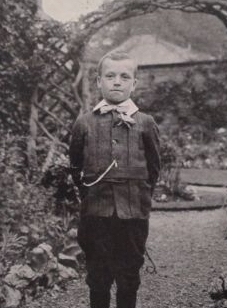
Thomas Martindale: saved by a sheep
Thomas Martindale was a few days short of his tenth birthday when he got lost on the Cumbrian fells in 1907. The search for a drowned pony was to lead to his name appearing in newspapers the length of... Read More
Brunswick Square Penrith – and the First World War
Brunswick Square, Penrith, isn’t famous, or remarkable. On the Penrith Town Trail, it is described as: Brunswick Square, a Victorian housing development commenced about 1850 and built around an ... Read More

Brig Robert Burns – 51 years before Titanic
This painting of the brig Robert Burns, at Port Carlisle, is fairly well-known. I suspect most people who are aware of it like it because it shows Port Carlisle in its heyday as a busy port. The house... Read More
Mary Pears: a painful calamity
The story of poor Mary Pears is a tragic one. And while it may be unkind to use it as an illustration for family historians, it does show you should never take anything for granted. It also ties in wi... Read More