
Parish registers, if you get the chance to see them ‘in person,’ can tell you so much more than you get from using a search box on commercial (or free) genealogy websites.
Sometimes the vicar of the day will have noted local events, or unusual circumstances about an entry.
The Bowness on Solway registers, for instance, include drownings – and smugglers.
Sometimes, you can spot odd names, or other things that aren’t connected to your ancestors but are, well, just interesting.
Here are a few ‘snippets’ I’ve spotted. Saving ‘the best’ for last!
Sebergham
One thing I noted in the Sebergham register was that there were a lot of Jinnys and Mallys in the 1770s.
What sparked these unusual names, I’ve no idea.
- 1771: Bell Bridge was rebuilt.
- 1777: there have been 34 births and eight burials. A healthy time for the parish!
- 1783: a tax of 3d was charged on every birth, death and marriage recorded.
If you can’t find a BMD record you were expecting to find in the parish after that time, it could be families dodging paying by not registering it.
- 1795. A Rechab Wood married (Nancy Hetherington).
The name is Biblical – and rare. One wonders what his friends called him for short?
In fairness, it’s nowhere near as bad as some of the ‘virtuous’ names that were popular at one time. Names like Patience endured. Names like Chastity and Sober, not so much.
The worst I’ve ever seen being Harmless Sufferer Richardson, baptised in Saint Bees in 1735.
No one on Ancestry claims him as an ancestor.
Thursby
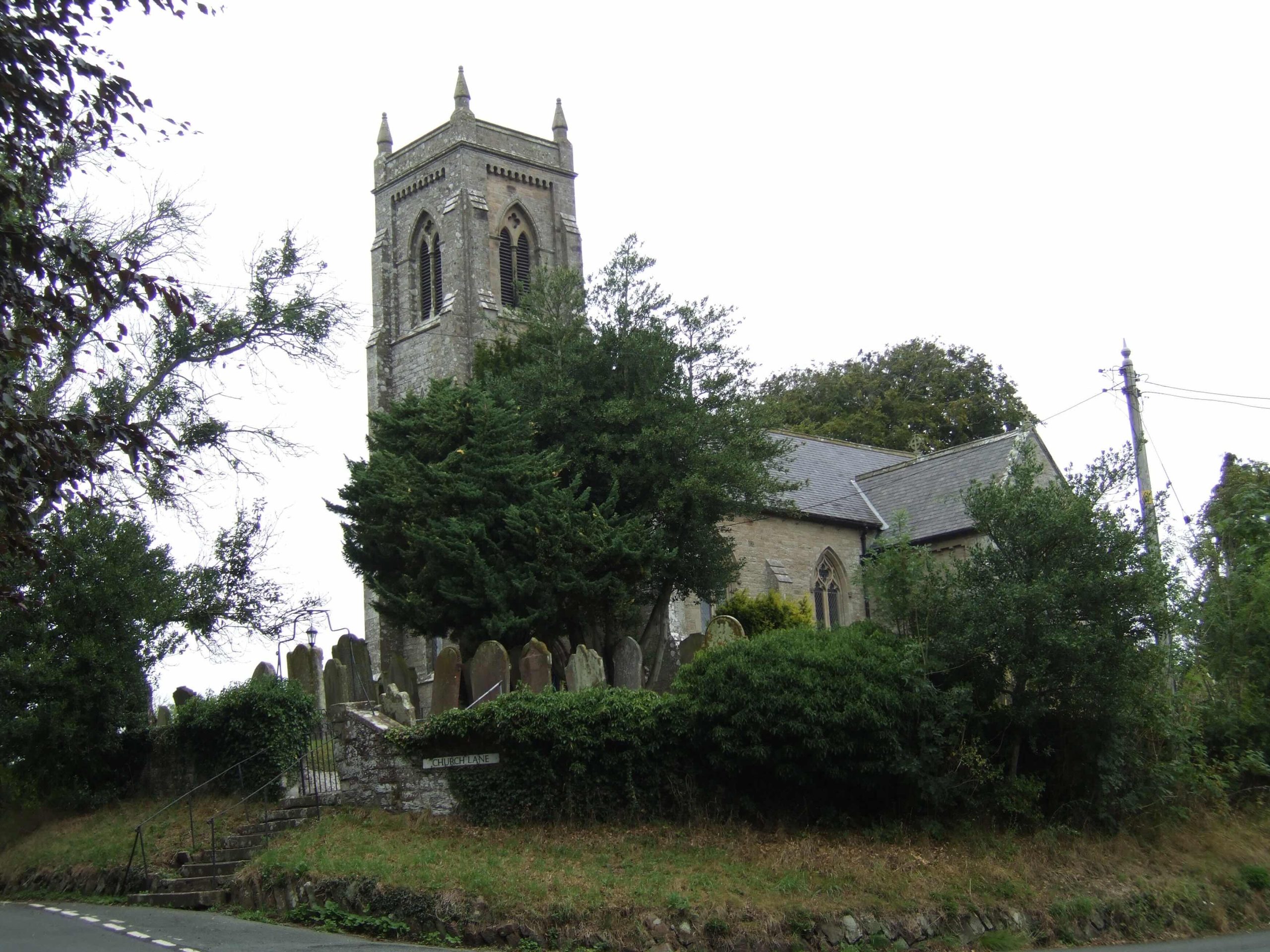
Saint Andrew’s Church, Thursby, is the main image on this article, from a visit a few years ago.
Two entries in the Thursby register caught my eye, as they relate to ‘outsiders’ who never expected to end their days in Cumbria.
- 1781, 15/5, buried Prince Crofton, aged 21, negro servant Crofton Hall.
- 1782 11/5 buried Elizabeth, dtr of Levi, a travelling Jew.
I didn’t spot it, but according to Cumbria County Council research Prince Crofton had been baptised at Thursby in February 1772.
He’d have been about 12 then, so it suggests that’s when he was first brought to Crofton Hall by the Briscos, who owned sugar plantations in the West Indies.
The Crofton Hall website tells you more:https://www.croftonhall.com/briscos
Greystoke parish records
The vicar of Greystoke in the 1630s* didn’t confine himself to ‘bare details’ entries. Often describing people he’d buried as ‘a poore yong woman’ or ‘a poore lame wenche’. And more positively, ‘a substantial yeoman’.
* Either Jerome Waterhouse (1616-1632), or William Pettie, (1632-39).
The economic status of his flock wasn’t the only thing he/they noted.
- 1632. May 6. Buried, Agness, daughter of John Burbank, alias called Mallies John.
You’ll often see in reiver records names like ‘Sandy’s Tom’ – when you had a clan of Armstrongs or Kerrs, there had to be some way for the families themselves to distinguish between every adult male called Thomas.
But I’ve not seen that used elsewhere, so interesting to see it in the register.
- 1632. June 10. Memo. That Joseph Hudleston, Hutton John, and Eleanor his wife; Mrs Wenefred Musgrave and Marie her daughter, were denounced excommunicat in ye church for their contumacie.
Contumacy is ‘a stubborn refusal to obey authority’. This could mean the ‘offenders’ were Catholics. But you could also be excommunicated for such things as blasphemy, fighting in church, or a clandestine marriage.
In 1685, there’s a list of more than 40 people who were excommunicated:
‘for their offences and other their contumacye in not appearing at Consistorye Court for the reformation of their lives and manners’.
Excommunication was serious in those days.
In 1675, one John Todhunter of Pendruddock was buried. But being ‘an excommunicated person,’ he was not given a Christian burial.
It was possible to overturn the verdict, howerver.
A John Herrison of Berrier was received into the church in 1628, absolved from his excommunication
Living in sin
Many parish records are sniffy about illegitimate children: ‘baseborn child’ or ‘bastard child’ being common descriptions. And with that went, as seen in the excommunications, matters like adultery, living with someone without being married, or marrying outside the rules of the Church.
The 1685 excommunications list includes:
- Thomas Edmundson of Motherby and his pretended wife Jane
- William Greenhow and his pretended wife Elizabeth.
The vicar at the time was Alan Smallwood, who held the living from 1663-1686. And he surpassed himself in May 1685 when recording one baptism:
Baptised John, the base begotten sonne,
of Margaret Dawson and John Harrison,
A Married Man of Graystock, as it’s said,
Did goe to Bed with this Notorious Jade.
But, tyme at last, will hidden things discover,
And bring to light what darkness did pass over.